Guest
#7218454
Hello everyone,

I am currently working on a FPGA system where a VGA controller is feeded
with pixel data using a section of the SDRAM memory of a Nios II/e
system. This should give the ability to flush pixel data in C. I am
however, stuck on one problem. Whenever I try to increase the memory
address used for addressing in VHDL the memory_out data does not seem to
change.

The VHDL code should constantly loop through the memory and send the
data of the pixels into the VGA controller.

The code is pretty big so I have attached it as a vhdl file.

This is the C code running on the Nios:
1 | |
2 | |
3 | |
4 | |
5 | |
6 | |
7 | |
8 | |
9 | |
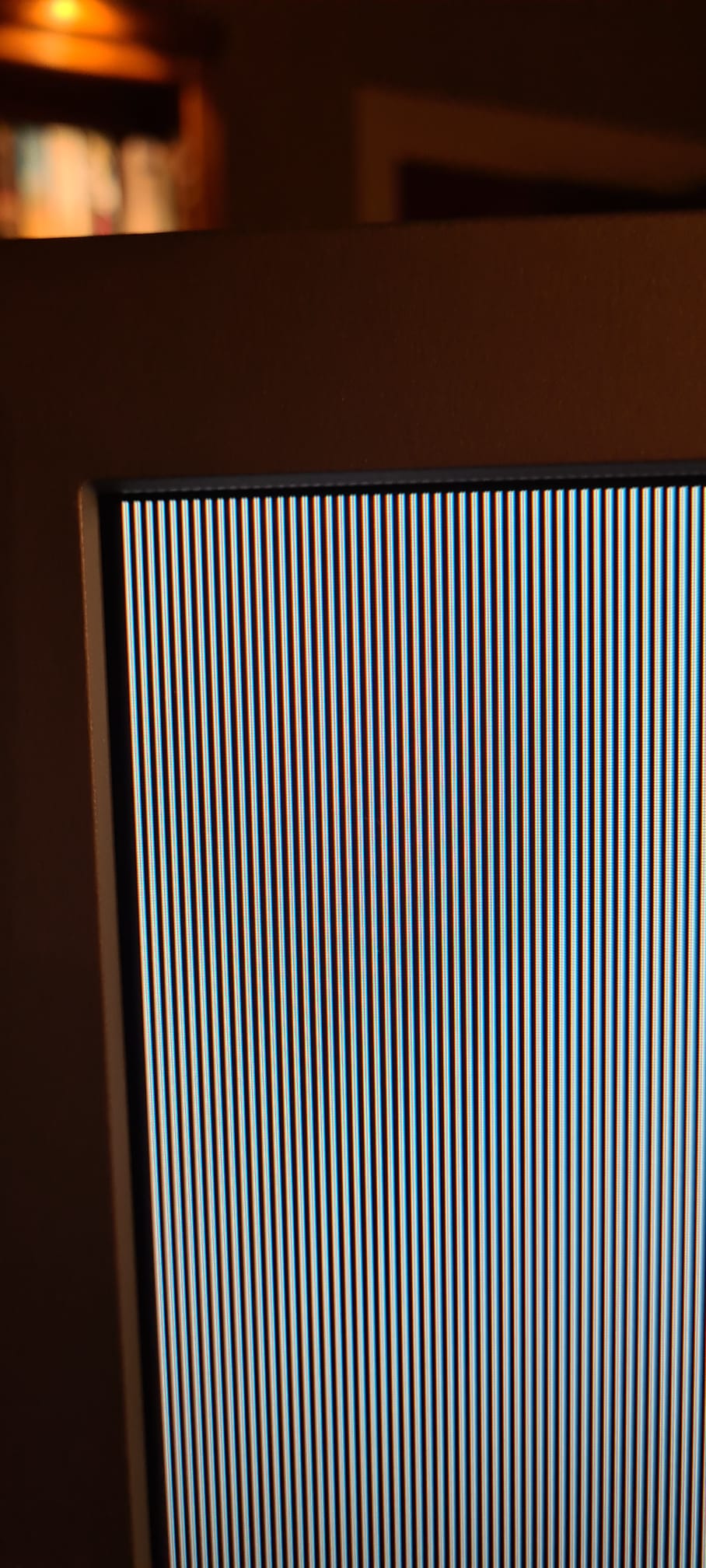
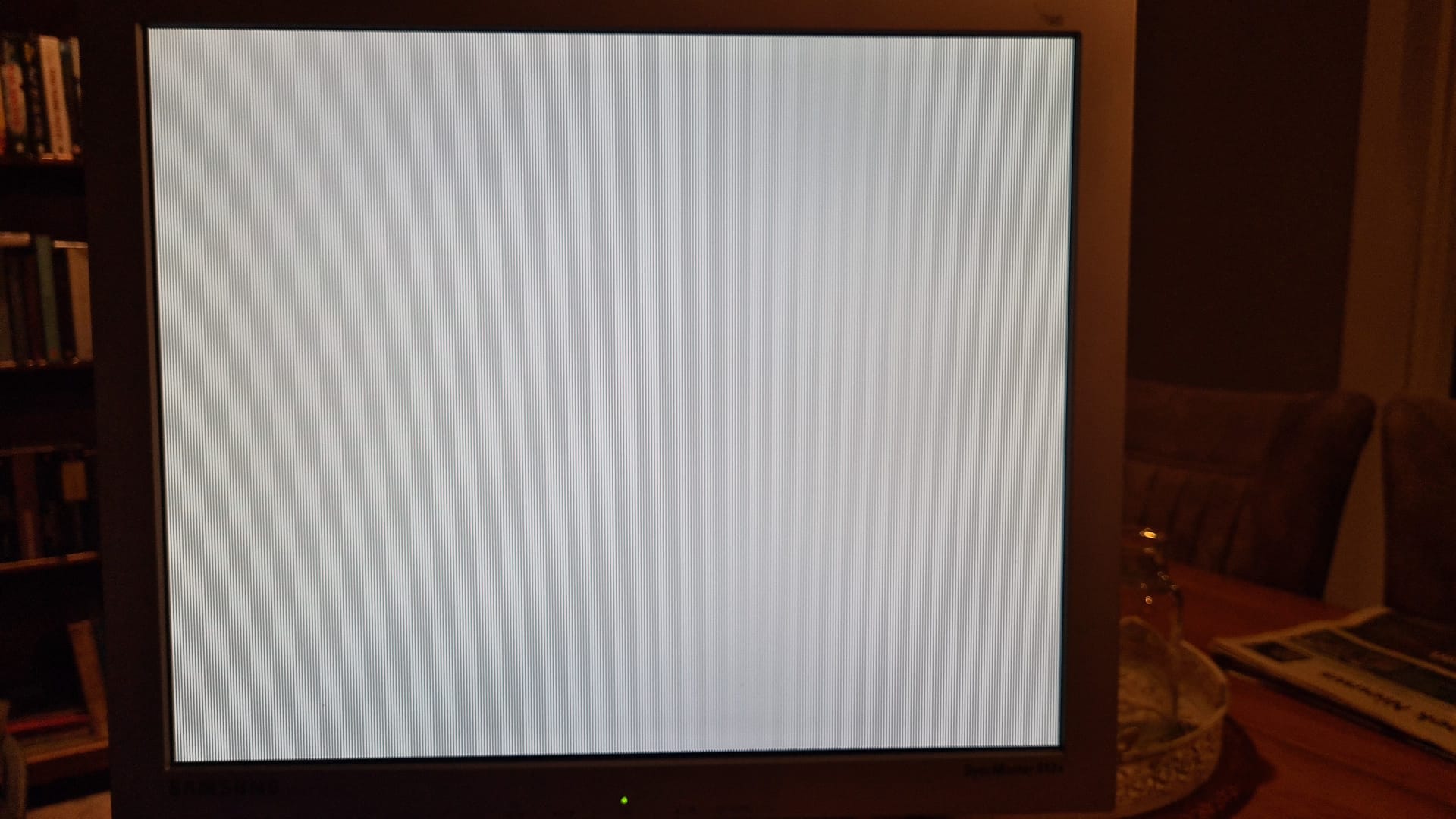
I have also attached a picture of the the screen looks like when using
this setup.

As is visible in the picture, the pixels on the screen keep having the
same pattern of the first 4 pixels that are set in the C code: white,
black, black, white. I suspect that the memory is not properly adjusting
to the change of the frame_buf_addr in the VHDL code.

Does anyone know any solutions to this problem? This is for my first
VHDL course so my apologies for any uncertainties or mistakes!

Thank!
Attached files:
-
 screen1.jpeg
(240 KB)
screen1.jpeg
(240 KB)
-
 screen2.jpeg
(180 KB)
screen2.jpeg
(180 KB)